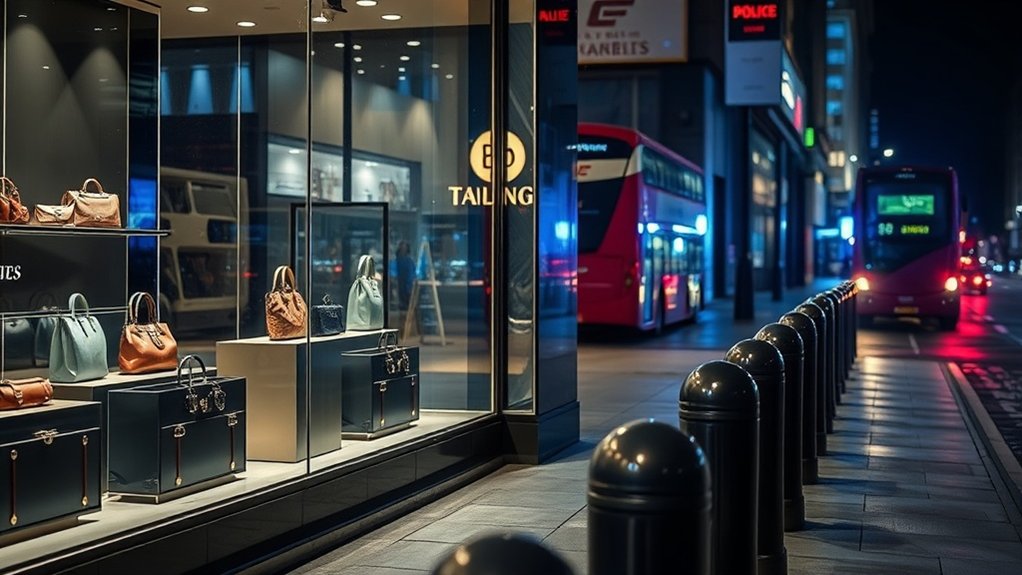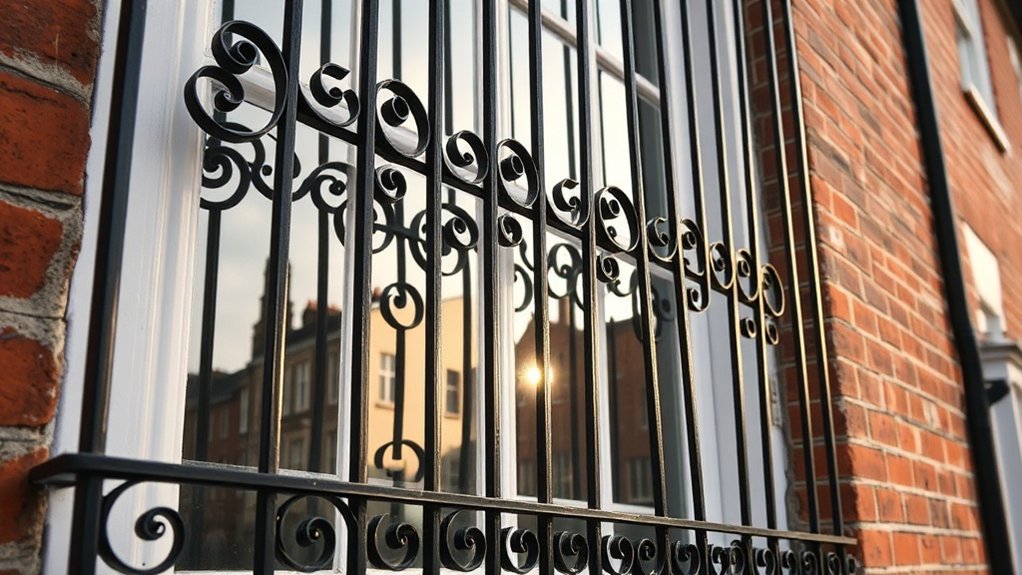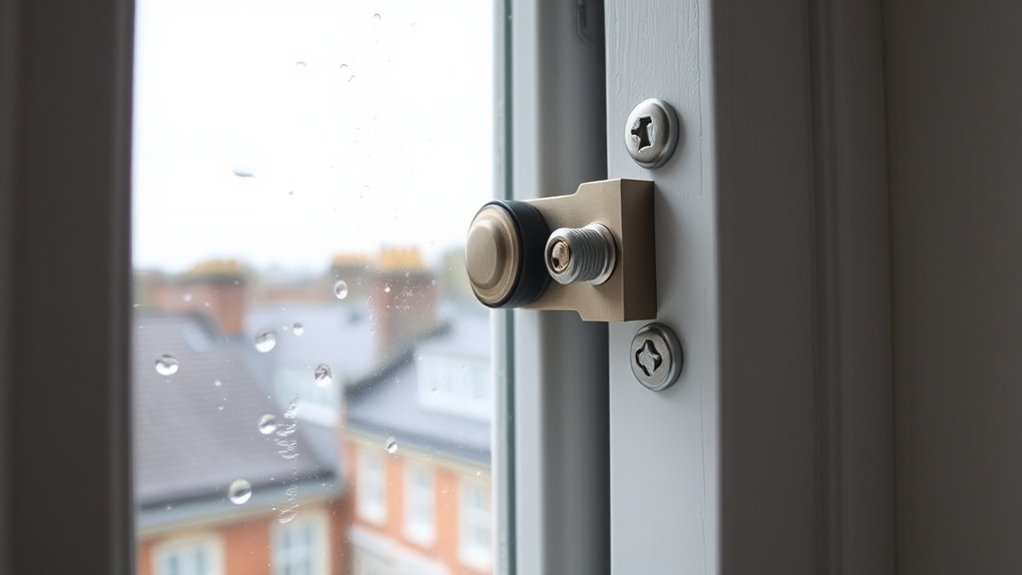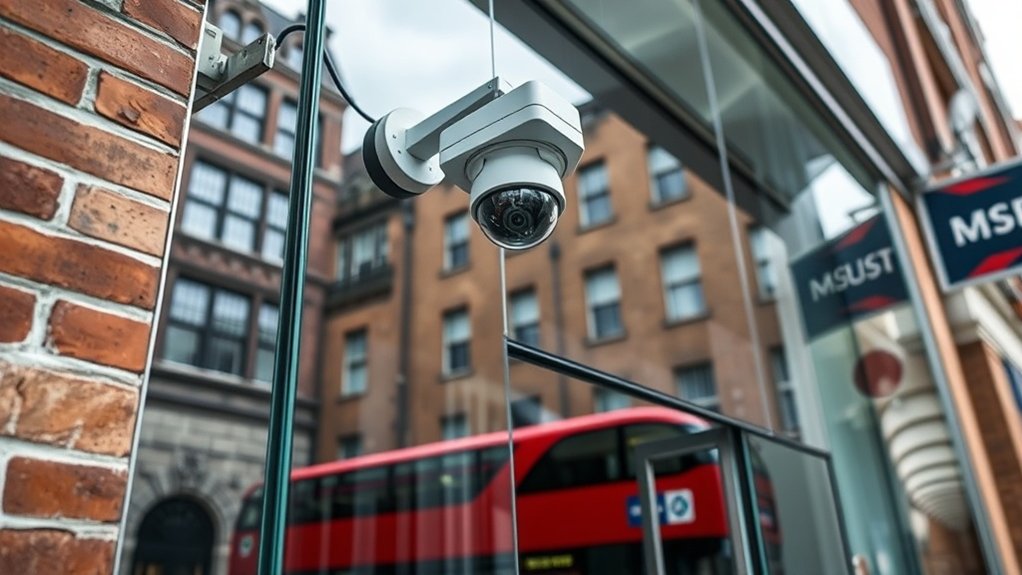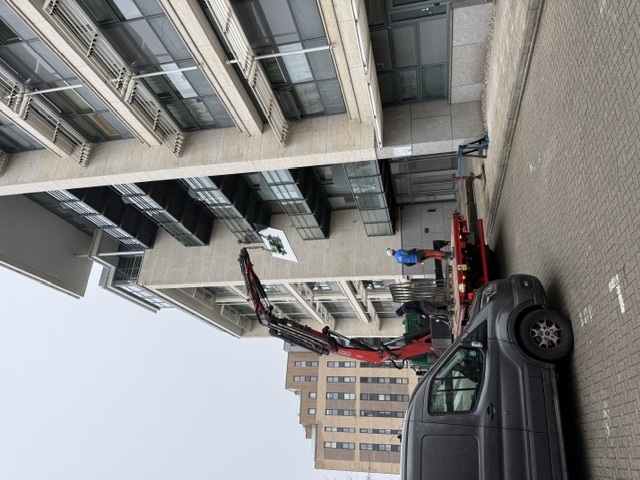
Security glazing gives Weybridge homes, shops and offices windows and doors that stand up to break-ins, vandalism and even blast pressure while still letting daylight through and keeping the look of the building. The three main options are laminated glass, toughened glass and polycarbonate, each designed to soak up impact, hold broken fragments together and slow an intruder down long enough for someone to respond. Specified to BS EN 356 or EN 1063 and fitted into frames strong enough to match, it also cuts heat loss and noise and can add privacy. Below we explain how to match the right grade to the risks your property faces.
Key insights
- Security glazing in Weybridge resists forced entry, vandalism, protest damage and blast while keeping shopfronts, homes and offices looking as intended.
- The main products are laminated glass, toughened glass and polycarbonate, chosen against EN 356 and EN 1063 classes and Secured by Design advice.
- Heritage buildings and conservation areas can be upgraded with like-for-like-plus glazing that keeps original sightlines and daylight.
- Laminated security units also improve U-values, cut traffic and rail noise, and can carry privacy or solar-control interlayers.
- Price depends on the glass make-up, frame strengthening, access and the certification level, and listed or complex buildings need a specialist installer.
How Security Glazing Protects Weybridge Properties
The buildings in Weybridge run from Victorian terraces to glass-fronted office blocks, but the security problem is much the same for all of them: valuable contents behind a thin pane in a busy urban setting. The threats include forced entry with simple tools, opportunist theft, damage during protests and, for some premises, blast overpressure, all of which have to be managed without turning the façade into a bunker.
Security glass works by failing in a controlled way. It takes the energy of a blow, spreads it across the pane, keeps the fragments stuck to the interlayer and leaves a barrier standing long enough to deter the attacker or allow a response. That controlled behaviour is what makes it usable on historic buildings, where the fabric cannot be altered but the performance must improve.
Key Types of Security Glazing Used in Weybridge, KT13
For a Weybridge property the choice usually comes down to three families: laminated security glass, toughened glass and polycarbonate or acrylic sheet. They handle risk in different ways, trading resistance to attack, blast and vandalism against weight, cost and appearance. Knowing how each behaves under a specific threat lets you pick the right make-up for every elevation, entrance and internal screen rather than over-specifying everywhere.
Laminated Security Glass
Laminated security glass is the most widely specified product for higher-risk Weybridge premises because it combines strength with predictable behaviour when it breaks. Two or more sheets of glass are bonded with PVB or ionoplast interlayers that hold the fragments in place, carry load after cracking and resist penetration under repeated blows.
The thickness of the interlayer, its material and the number of plies can be tuned for manual attack, forced entry, blast or ballistic threats while still suiting a modern glazed façade. Acoustic, solar-control and privacy interlayers can be built into the same unit, so one pane does several jobs.
A correctly specified laminate limits spall on the protected side, controls the crack pattern and keeps compartments sealed, which supports a security plan based on tested performance rather than guesswork.
Toughened And Tempered Glazing
Laminated glass is strongest after it breaks; toughened glass is strongest before. Heat treatment puts the surface of the pane into compression, making it around four to five times stronger than ordinary annealed glass against impact, thermal shock and everyday knocks, and it still fits slim frames and accepts modern coatings.
It suits Weybridge projects where crowd pressure, high wind loads or aggressive cleaning regimes raise the risk, but transparency, printed patterns or modern versions of traditional glazing are still wanted.
- Risk profiling – choose thickness and treatment level to suit the impact class and the amount of edge cover in the frame.
- Detail design – set out fixings, tolerances and movement joints so no single point takes too much stress.
- Aesthetic control – add ceramic frit or patterns in a way that does not disturb the stress profile of the pane.
Polycarbonate And Acrylic Panels
Often dismissed as plastic glass, polycarbonate and acrylic have a serious role in Weybridge security schemes wherever impact, forced entry or blast cannot be handled by glass alone. Polycarbonate offers very high impact resistance at a fraction of the weight of laminated glass, which permits bigger panels, lighter frames and over-cladding of vulnerable existing windows from inside or out.
Solid, multi-wall and laminated constructions are available with anti-spall, scratch-resistant and UV-stable coatings. Tinted and coloured sheets can support branding, add privacy or quietly mark out higher-risk zones in a building.
To keep the panels performing, clean with non-abrasive products, avoid solvents, and inspect the edges and coatings at set intervals for damage or wear. On critical sites, tie those inspections into the regular security audit.
Choosing the Right Security Glazing
Choosing security glazing for a Weybridge, KT13 property starts with an assessment of risk, not a vague wish for thicker glass. The specification must match the actual threat: opportunist break-ins, a sustained attack with tools, vandalism, blast or ballistic. On older buildings the glazing must also respect the architecture and any decorative glass, improving the building rather than stripping its character.
Work through three decisions in parallel:
- Threat mapping – define the likely attack, the tools used and how long the attacker has, then match that to certified glazing classes and the relevant test standard.
- Fabric and façade – check frame strength, fixings and the wall or substrate; a weak frame makes high-spec glass pointless.
- Performance stack – combine security with thermal, acoustic and solar-control layers using laminated or hybrid units that protect without losing daylight or clarity.
Forced Entry Resistance: How Security Glazing Performs
Most break-ins in Weybridge are quick and rely on basic tools, so forced-entry resistance is really about delay: how long the glazing stops an intruder from making a usable hole. Security glass is designed to absorb blows, crack in a controlled way and keep a barrier in place, so the opening is still blocked when the attacker's time runs out.
Performance is measured by the number of impacts, the tools used and the time to breach under EN 356 and EN 1627. The best results come from laminated interlayers, toughened outer plies and edge-retention details that stop the pane being peeled out of the frame after repeated hits. Abrasion- and chemical-resistant coatings can be added without changing the appearance, so sightlines, daylight and shop branding stay as they are while the delay time increases.
Security Glazing for Weybridge Shopfronts
Upgrading a Weybridge shopfront to security glazing cuts the risk of smash-and-grab raids, protects stock overnight and keeps the display fully visible from the street. The specification has to balance impact resistance, interlayer type and frame strength with thermal and acoustic performance, and the installation must meet British Standards, Building Regulations and any planning conditions that apply in the town's busier retail areas.
Benefits Of Security Glazing
A shopfront's resistance to forced entry, vandalism and accidental impact rests largely on the glass, and this is where security glazing earns its keep. It is not simply thicker: it is a system that manages impact energy, delays intrusion and keeps the window transparent.
-
Intrusion delay and risk reduction The interlayer keeps a struck pane in one piece, so an attacker cannot reach through quickly and the chance of a successful smash-and-grab falls sharply.
-
Design flexibility and brand alignment Modern interlayers and films come in subtle tints and colours, so the shop keeps its visual identity while gaining protection.
-
Asset protection and historical preservation Retrofit security glass can be fitted from inside a heritage frontage, keeping the original sightlines while adding resistance to impact, acid etching and opportunist attack.
Compliance And Weybridge, KT13 Regulations
Security glazing is about resisting attack, but in Weybridge it must also satisfy a web of building, planning and security rules that go beyond ordinary safety glass. The relevant parts are Approved Document K for impact safety in critical locations, Part B for fire strategy, and any conservation-area or listed-building constraints on the frontage.
Secured by Design guidance and the resistance classes your insurer expects also come into play, which is why the specification should be written with compliance in mind from the outset.
The process is to map the risks first, then select glass, whether laminated, polycarbonate-backed or hybrid, that meets EN 356 or EN 1063 while keeping transparency and thermal performance. Reviewing the threat picture periodically keeps the shopfront compliant now and adaptable as crime patterns and regulations change.
Security Glazing for Weybridge Homes
With opportunist burglaries and deliberate damage to glass a regular feature of urban life, security glass in a Weybridge home acts as a physical barrier rather than a luxury. It resists kicks, levering, tool attacks and vandalism while matching the clean look of contemporary windows and doors.
Laminated multi-layer units can be tuned for impact resistance, sound reduction and UV control. Patterned or obscure interlayers blur the view in without losing daylight, and they do not interfere with alarm sensors.
- Perimeter doors and sidelights – fit laminates rated P1A to P4A under EN 356, or anti-shatter film as a minimum.
- Street-facing windows – add privacy patterns and low-reflection coatings so passers-by cannot see valuables.
- Vulnerable access points – combine high-grade glass with reinforced frames, PAS 24 locks and monitored sensors.
Security Glazing for Weybridge Offices
An office façade is an architectural statement, but it is also the most exposed part of the building. In the denser commercial streets of Weybridge, KT13, the ground-floor glazing is the first thing a burglar, vandal or opportunist tests.
Security glazing for offices needs measurable resistance without compromising the design. Laminated composites, specialist interlayers and security films slow intrusion, hold glass fragments in place and protect equipment, documents and server rooms behind the glass line.
Security Glazing and Weybridge Planning Rules
Securing a façade is only half the task; every glazing upgrade also has to pass Weybridge's planning and building control checks. In conservation areas and on historic buildings the regime is strict, and the applicant must show that improved security does not harm the character of the street.
Planning goes more smoothly when you:
- Map constraints early – establish conservation status, Article 4 Directions and building-line controls before choosing glass or frames.
- Engineer “like-for-like-plus” solutions – use laminated units that copy the original sightlines, colours and glazing patterns while delivering tested attack resistance.
- Document performance and aesthetics – give planners drawings, test certificates to EN 356 and EN 1063, and visual mock-ups proving lower risk without visual harm.
Security Glazing: Energy and Acoustic Benefits
Security may drive the brief, but laminated and composite units also improve energy and acoustic performance in Weybridge offices. Careful choice of interlayers, coatings and gas fills reduces solar heat gain, brings down the U-value and eases the load on heating and cooling plant without darkening the interior.
Acoustic interlayers can be chosen to target the dominant frequencies from traffic, railways or late-night deliveries, which reduces distraction and makes open-plan and hybrid working more comfortable. Privacy is available too, through selective light transmission, patterned interlayers or switchable film that obscures the view on demand.
A disciplined specification balances impact resistance, thermal performance and sound insulation, so the façade manages risk and comfort at the same time.
Security Glazing Costs in Weybridge
Pricing security glazing in Weybridge, KT13 means understanding what moves the figure: the glass make-up, frame reinforcement, fixing method and the certification level required. Installation adds labour, access equipment, waste removal and sometimes out-of-hours working where the site demands it. Setting those costs against the value of what you are protecting and the realistic threat gives a sensible level of spend rather than an arbitrary one.
Key Pricing Factors
Security glazing is a performance product, so its cost in Weybridge depends on a short list of technical variables: the threat level (impact, blast or ballistic), the glass composition and thickness, the frame and anchorage, the certification standard (EN 356, EN 1063 or PAS 24) and how complicated your site is to work on. The purchase is a risk-reduction system, not a pane of glass.
The main cost drivers are:
- Performance specification – higher attack ratings, thicker laminate stacks and advanced interlayers cost more but last longer and protect better.
- Design innovations – slim sightlines, oversized panes and unusual shapes need bespoke engineering and heavier sections.
- Interface engineering – strengthened frames, specialist fixings and substrate work to stop an attacker bypassing the glass.
Typical Installation Charges
The glass specification sets the baseline, but installation in Weybridge often decides the final bill. Labour is usually priced per opening, and the rate rises where access is awkward, panes are large or heavy, or the work sits inside a protected historic building. Liaison with conservation officers and bespoke framing around irregular openings both add time.
Decorative interlayers, switchable glass or embedded sensors push the cost up further because of tighter alignment tolerances, specialist lifting equipment and commissioning. Night or weekend working in town-centre locations carries a premium for noise restrictions and security cover. To keep control, ask for a measured survey, a written method statement and installation shown as separate line items on every quote.
Balancing Cost And Security
Deciding how much security glazing is enough for a Weybridge property starts with quantifying the risk rather than reacting to worry. List the plausible threats, from opportunist theft to targeted attack and vandalism, and match each to a certified performance class instead of a marketing label.
Spend where exposure is highest and use lighter upgrades elsewhere, adding advanced features only where they measurably reduce risk.
- Risk Zoning – put laminated or multi-layer glass on street-facing and hidden access points, and lighter upgrades on low-risk elevations.
- Performance-to-Cost Ratios – compare impact, delay and blast ratings against the extra cost per square metre.
- Integrated Design – coordinate frames, locks and glass so better security does not cost you daylight, branding or the look of the façade.
How Security Glazing Installation Works
With the protection level agreed, installation becomes a controlled process covering structural risk, impact resistance and compliance from frame to finish. It starts with checking the substrate, frame depth and fixing pattern to be sure they can carry the glass under both sudden and sustained loads. Load paths, edge cover and tolerances are set out before any pane arrives on site.
The fitting itself relies on accurate templating, a dry fit, and setting blocks placed to limit deflection. Compatible structural sealants, gaskets that will not react with the interlayer, and mechanical restraints stop the unit being levered out. Final checks cover sightlines, edge clearances and hardware so the glass, frame and locks act as one barrier that resists attack, limits fragments and can be maintained for years.
Security Glazing Standards and Certifications
Any specification should be pinned to the right standards before sign-off, because the certificates define what level of forced-entry, blast, ballistic or fire performance you are paying for. In Weybridge, building control, insurers and security consultants all want test evidence rather than brochure claims.
Check the following:
- EN 356, EN 1063 and EN 13541 classes, which quantify resistance to manual attack, firearms and blast respectively.
- Fire-resistance ratings in minutes of integrity and insulation, so compartment lines match the evacuation and business-continuity plan.
- Third-party certification schemes that confirm continuing compliance as you adopt newer or slimmer systems.
Tie each rating to a defined threat scenario, and make sure the glass, frame and fixings are certified together as a system rather than separately.
How to Choose a Trusted Security Glazing Specialist in Weybridge, KT13
Standards only help if the people specifying, making and fitting the glass understand them and can prove compliance, so a Weybridge security glazing specialist deserves the same scrutiny as the product.
Ask for references from comparable projects together with test reports showing durability, impact performance and resistance to manual attack. Confirm the firm designs complete systems rather than just supplying panes or film, and that it understands how frames, fixings and building movement affect the result.
Where relevant, probe their experience with blast, ballistic or hostile-vehicle risk and ask how they assess threat, consequence and residual risk. Finally, check what happens after handover: condition checks, re-certification and upgrade options mean the glazing can keep pace with changing threats.
We also handle boarding up service, cctv compatible glazing and intruder resistant glazing in Weybridge, often on the same visit.
Frequently Asked Questions
Can Security Glazing Be Retrofitted to Listed or Heritage Weybridge Buildings?
Yes, provided heritage is treated as a design constraint from the start. The usual routes are secondary glazing fitted inside the original window, slimline laminated units set into existing frames, or bespoke framing that copies the historic profile. All three keep the external appearance intact. You will need listed building consent or conservation-area approval, a written risk assessment and reversible, low-impact fixings that do not damage the original fabric. Done this way, the building gains resistance to intrusion, blast and UV fading while the planners and the façade both stay happy.
Does Security Glazing Affect Mobile Phone or Wi‑Fi Signals Inside the Property?
It can, though usually less than people expect. Thick laminates and especially metallised low-E coatings attenuate radio signals, with the greatest effect on higher-frequency mobile bands and 5 GHz Wi-Fi. Before installing, have a signal survey done to record current coverage. Mitigation is then simple to design: choose coatings with lower attenuation, leave selected panes uncoated, add extra wireless access points, or install an indoor mobile repeater. With that planning, you raise the security of the building without leaving staff or family stuck with one bar of signal.
How Do I Maintain and Clean Security Glazing Without Damaging Its Protective Layers?
Clean it gently and regularly. A pH-neutral glass cleaner or very diluted washing-up liquid applied with a soft microfibre cloth is all that is needed for glass; polycarbonate needs the same but with even more care to avoid scratches. Never use solvents, abrasive pads, scrapers or pressure washers, which can scratch coatings and start delamination at the edges. Rinse with clean water and dry the edges so moisture does not sit on the seal. Build in an inspection every six months or so to catch coating wear or impact damage early.
Will Installing Security Glazing Impact My Existing Home or Business Insurance Policy?
It can, usually to your benefit, but only if you tell the insurer. Many policies reward tested security measures with lower premiums or relaxed conditions, and some commercial insurers require a given EN 356 class for high-value stock. Keep the specification, installation certificate and test certificates together and send copies to the insurer when the work is complete. That record also protects you if you ever need to claim, because the insurer can see the glazing met the standard stated in the policy. Treat the upgrade as part of your risk file, not just a building improvement.
Are There Temporary Security Glazing Options for Short‑Term Events or Construction Sites?
Yes. Modular impact-resistant panels, usually polycarbonate, can be clamped over existing frames or built into hoardings for a few days or months and removed afterwards. They are used for events, vacant shops, building sites and premises expecting protest activity. The panels can be specified with tamper-resistant fixings, a forced-entry rating and either clear or obscured faces depending on whether you want visibility or privacy. Because they are quick to fit and reusable, they offer a practical way to match protection to a short-lived threat without permanent changes to the building.
Summary
Ordinary glass fails quickly against the methods used in most Weybridge break-ins, and security glazing changes that. Laminated layers, tested interlayers and a certified installation turn a weak opening into a barrier that delays forced entry and deters opportunists. Treated as part of a joined-up security design, it buys time and reduces exposure in a measurable way. Call us for a free site assessment and a quote matched to your property's risk. For anything else glass-related, Weybridge Glazing is the one number to keep: free quotes, 24/7 emergency cover and FENSA-certified installations.